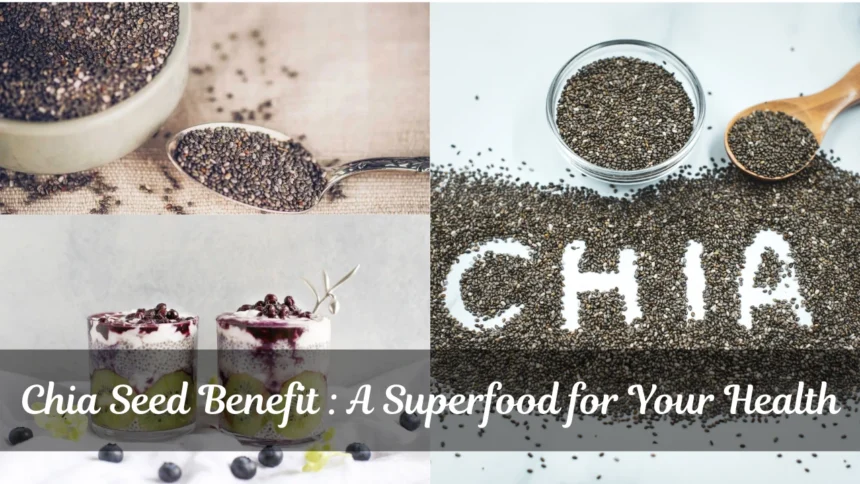
Chia Seed Benefit – Chia seeds, tiny black and white seeds derived from the Salvia hispanica plant, have gained immense popularity in recent years as a superfood packed with nutrients. Native to Central America, these seeds were a staple in the diets of ancient Mayan and Aztec civilizations, prized for their ability to provide sustained energy. Today, modern science has validated many of the traditional claims about chia seeds, revealing a wide array of health benefits that make them a valuable addition to any diet. From supporting heart health to aiding digestion and promoting weight management, chia seeds offer a versatile and nutrient-dense option for health-conscious individuals. In this article, we’ll explore the numerous benefits of chia seeds, backed by scientific evidence, and provide practical tips for incorporating them into your daily routine.
Nutritional Profile of Chia Seed Benefit
Before diving into the specific benefits, it’s worth understanding why chia seeds are considered a nutritional powerhouse. A single ounce (about 28 grams, or two tablespoons) of chia seeds contains:
- Calories: 137
- Fiber: 11 grams
- Protein: 5 grams
- Fat: 9 grams (including 5 grams of omega-3 fatty acids)
- Carbohydrates: 12 grams (almost all from fiber)
- Calcium: 18% of the Recommended Daily Intake (RDI)
- Magnesium: 30% of the RDI
- Phosphorus: 27% of the RDI
- Antioxidants: High levels of polyphenols and other compounds
This impressive nutrient density, combined with their low calorie count, makes chia seeds an excellent choice for boosting overall health without adding excess energy to your diet. Now, let’s explore the specific benefits these tiny seeds have to offer.
1. Rich Source of Omega-3 Fatty Acids for Heart Health

One of the standout benefits of chia seeds is their high content of omega-3 fatty acids, particularly alpha-linolenic acid (ALA). Omega-3s are essential fats that play a crucial role in reducing inflammation, lowering cholesterol levels, and supporting cardiovascular health. While ALA must be converted into EPA and DHA (the more bioavailable forms of omega-3s found in fish oil) in the body, studies suggest that regular consumption of ALA-rich foods like chia seeds can still contribute to heart health.
Research published in the Journal of Nutrition has shown that ALA may help reduce the risk of heart disease by decreasing blood pressure and improving lipid profiles. For individuals following plant-based diets, chia seeds provide a convenient alternative to fish oil, making them an essential tool for maintaining a healthy heart.
2. High Fiber Content for Digestive Health

With nearly 11 grams of fiber per ounce, chia seeds are a fantastic way to meet your daily fiber needs. Dietary fiber is essential for maintaining a healthy digestive system, as it promotes regular bowel movements, prevents constipation, and supports the growth of beneficial gut bacteria. When mixed with water, chia seeds form a gel-like substance due to their soluble fiber content, which can help soften stool and ease digestion.
Beyond basic digestive health, the fiber in chia seeds may also reduce the risk of chronic conditions like diverticulitis and colorectal cancer. A study in the American Journal of Clinical Nutrition found that diets high in fiber are associated with a lower incidence of these diseases, highlighting the long-term protective effects of incorporating chia seeds into your meals.
3. Supports Weight Management

For those looking to maintain or lose weight, chia seeds can be a valuable ally. Their combination of fiber, protein, and healthy fats helps promote satiety, keeping you fuller for longer and reducing the urge to overeat. The gel-forming property of chia seeds also slows digestion, which can stabilize blood sugar levels and prevent energy crashes that often lead to cravings.
A small study published in Nutrición Hospitalaria found that participants who consumed chia seeds as part of a reduced-calorie diet experienced greater weight loss and reductions in waist circumference compared to a control group. While chia seeds alone won’t magically melt away pounds, their ability to enhance feelings of fullness makes them a smart addition to a balanced weight management plan.
4. Bone Health Boost from Essential Minerals
Chia seeds are a rich source of calcium, magnesium, and phosphorus—three minerals critical for maintaining strong bones. This is especially beneficial for individuals at risk of osteoporosis, such as postmenopausal women or those with limited dairy intake. A single ounce of chia seeds provides more calcium than most plant-based foods, delivering 18% of the RDI.
Magnesium and phosphorus also contribute to bone density and overall skeletal health. According to research from the National Institutes of Health, adequate intake of these minerals can help prevent bone loss and fractures as we age. For vegans or those with lactose intolerance, chia seeds offer a convenient way to support bone health without relying on dairy products.
5. Antioxidant Powerhouse for Cellular Protection

Chia seeds are loaded with antioxidants, including polyphenols like chlorogenic acid and caffeic acid, which help combat oxidative stress in the body. Oxidative stress occurs when free radicals—unstable molecules produced during metabolism—damage cells and contribute to aging and chronic diseases like cancer and Alzheimer’s.
By neutralizing free radicals, the antioxidants in chia seeds may reduce inflammation and protect against cellular damage. A study in Food Chemistry highlighted the impressive antioxidant capacity of chia seeds, suggesting that their regular consumption could play a role in preventing oxidative stress-related conditions.
6. Blood Sugar Regulation

Maintaining stable blood sugar levels is crucial for overall health, particularly for individuals with diabetes or prediabetes. The high fiber and protein content of chia seeds can slow the absorption of sugar into the bloodstream, preventing spikes and crashes. Additionally, the gel-like consistency formed when chia seeds are soaked may further moderate carbohydrate digestion.
A study published in Diabetes Care found that participants who consumed chia seeds daily experienced improved blood sugar control and reduced insulin resistance. This makes chia seeds a promising food for managing type 2 diabetes or reducing the risk of developing it.
7. Versatile Protein Source for Muscle Maintenance

While chia seeds aren’t a primary protein source like meat or legumes, their 5 grams of protein per ounce still contribute to daily needs. Importantly, chia seeds contain all nine essential amino acids, making them a complete protein—a rarity among plant-based foods. This is particularly valuable for vegetarians and vegans looking to diversify their protein intake.
Protein is essential for muscle repair, immune function, and overall growth, and chia seeds provide a convenient way to boost your intake. Pairing them with other protein-rich foods like yogurt or legumes can create a well-rounded, muscle-supporting meal.
8. Hydration and Energy for Physical Performance
The ancient Aztecs and Mayans used chia seeds to sustain energy during long journeys or battles, and this traditional use holds up today. When soaked in water, chia seeds can absorb up to 12 times their weight, creating a hydrating gel that provides a slow-release source of energy. This makes them a popular choice among athletes and fitness enthusiasts.
The combination of carbohydrates, protein, and healthy fats in chia seeds also supports endurance and recovery. Whether added to a pre-workout smoothie or consumed as a post-exercise snack, chia seeds can help fuel physical performance naturally.
How to Incorporate Chia Seeds into Your Diet
Chia seeds are incredibly versatile and easy to integrate into your meals. Here are some practical ideas:
- Chia Pudding: Mix 3 tablespoons of chia seeds with 1 cup of milk (dairy or plant-based), let it sit overnight, and top with fruit and nuts.
- Smoothies: Add a tablespoon of chia seeds to your favorite smoothie for a nutrient boost.
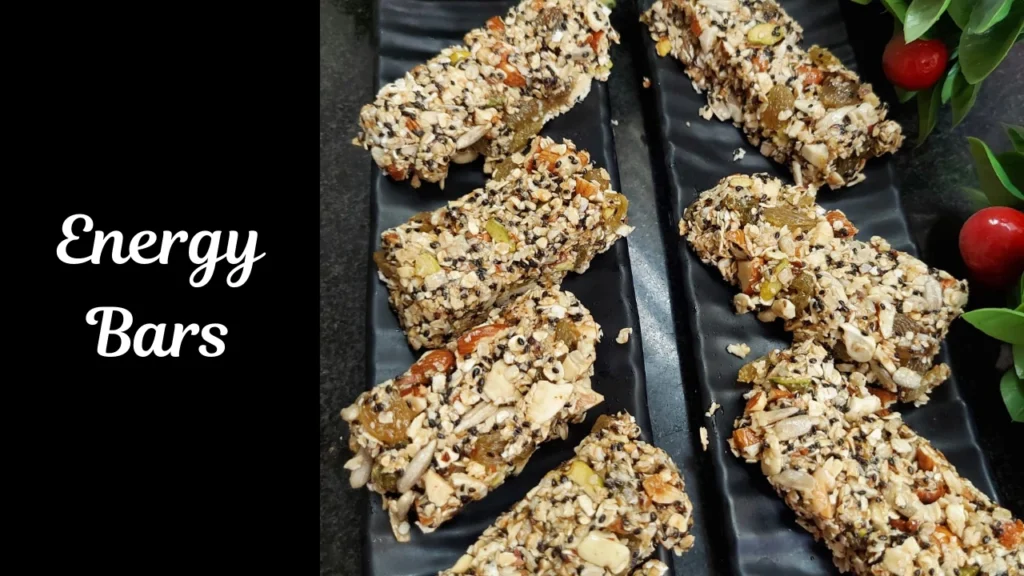
- Baked Goods: Incorporate chia seeds into muffins, bread, or granola bars for added texture and nutrition.
- Sprinkle: Toss them onto salads, yogurt, or oatmeal for a crunchy topping.
- Egg Substitute: Combine 1 tablespoon of chia seeds with 3 tablespoons of water, let it sit for 15 minutes, and use as a vegan egg replacement in baking.
Potential Side Effects and Precautions
While chia seeds are generally safe for most people, moderation is key. Their high fiber content can cause digestive discomfort, such as bloating or gas, if consumed in large amounts without adequate hydration. Start with small portions (1-2 tablespoons) and drink plenty of water to avoid issues. Additionally, individuals with swallowing difficulties should avoid dry chia seeds, as they can expand in the throat and pose a choking risk.
Conclusion
Chia seeds may be small, but their benefits are mighty. From supporting heart and bone health to aiding digestion, weight management, and blood sugar control, these nutrient-packed seeds offer a simple yet effective way to enhance your diet. Their versatility and mild flavor make them an easy addition to a variety of dishes, ensuring you can reap their rewards without much effort. Whether you’re an athlete, a health enthusiast, or simply someone looking to improve your well-being, chia seeds deserve a spot in your pantry. Backed by both ancient wisdom and modern science, they truly live up to their superfood status. So, why not sprinkle some into your next meal and experience the chia seed benefit for yourself?