Natural Hair Care Tips for Dry Scalp – A dry scalp can be a frustrating and uncomfortable condition, often leading to itchiness, flakiness, and even hair loss if left untreated. While there are numerous commercial products available to address this issue, many people are turning to natural remedies for a more holistic and gentle approach. Natural hair care not only helps to alleviate dryness but also promotes overall scalp health, leaving your hair looking and feeling its best. In this article, we’ll explore some effective natural hair care tips for managing a dry scalp.
Understanding Dry Scalp

Before diving into the remedies, it’s important to understand what causes a dry scalp. A dry scalp happens when the skin on your head doesn’t have enough moisture to stay hydrated. This can be due to a variety of factors, including:
- Environmental Conditions: Cold, dry weather can strip moisture from your scalp.
- Overwashing: Washing your hair too frequently can remove the natural oils that keep your scalp hydrated.
- Harsh Hair Products: Shampoos and conditioners containing sulfates, alcohol, and other harsh chemicals can dry out your scalp.
- Diet and Hydration: A diet lacking in essential fatty acids and not drinking enough water can contribute to dryness.
- Skin Conditions: Conditions like eczema, psoriasis, and seborrheic dermatitis can cause a dry, flaky scalp.
Natural Hair Care Tips for Dry Scalp
1. Choose the Right Shampoo and Conditioner

When dealing with a dry scalp, it’s crucial to use gentle, natural hair care products. Choose shampoos and conditioners that don’t contain sulfates, parabens, or artificial fragrances. Instead, opt for products that contain natural moisturizing ingredients like aloe vera, coconut oil, and shea butter.
- Aloe Vera: Known for its soothing and moisturizing properties, aloe vera can help to hydrate and calm an irritated scalp.
- Coconut Oil: Rich in fatty acids, coconut oil is an excellent natural moisturizer that can penetrate the hair shaft and scalp to provide deep hydration.
- Shea Butter: This natural fat extracted from the nuts of the shea tree is incredibly nourishing and can help to lock in moisture.
2. Incorporate Regular Scalp Massages

Scalp massages are not only relaxing but also beneficial for a dry scalp. Massaging your scalp increases blood circulation, which can help to deliver essential nutrients to the hair follicles and promote a healthier scalp.
- Use Natural Oils: Incorporate natural oils like coconut oil, olive oil, or jojoba oil into your scalp massage routine. These oils can help to moisturize the scalp and reduce dryness.
- Technique: Use your fingertips to gently massage your scalp in circular motions for about 5-10 minutes. This can be done before shampooing or as a standalone treatment.
More Read

3. Hydrate from Within

One of the most overlooked aspects of scalp health is internal hydration. Drinking plenty of water is essential for maintaining the moisture balance in your skin, including your scalp.
- Daily Water Intake: Drink at least 8 glasses of water daily to stay hydrated. If you live in a dry climate or are physically active, you may need to increase your intake.
- Balanced Diet: Incorporate foods rich in omega-3 fatty acids, such as salmon, flaxseeds, and walnuts, which can help to nourish your scalp from the inside out.
4. Use a Humidifier
If you live in a dry climate or spend a lot of time in air-conditioned or heated environments, a humidifier can be a game-changer for your scalp. Humidifiers add moisture to the air, which can help to prevent your scalp from drying out.
- Bedroom Humidifier: Consider using a humidifier in your bedroom while you sleep. This can help to maintain the moisture levels in your scalp and skin overnight.
5. Avoid Overwashing
Washing your hair too often can remove the natural oils from your scalp, causing it to become dry. Try to limit hair washing to 2-3 times a week, and use a gentle, sulfate-free shampoo.
- Co-Washing: Consider co-washing (washing your hair with conditioner only) between shampoo sessions. This can help to cleanse your hair without stripping away too much moisture.
- Dry Shampoo: On non-wash days, use a natural dry shampoo to absorb excess oil and refresh your hair.

6. Exfoliate Your Scalp

Just like the skin on the rest of your body, your scalp can benefit from regular exfoliation. Exfoliating helps to remove dead skin cells and product buildup, allowing your scalp to breathe and absorb moisture more effectively.
- Natural Exfoliants: Use natural exfoliants like brown sugar, oatmeal, or baking soda mixed with a carrier oil (such as coconut or olive oil) to create a gentle scalp scrub.
- Frequency: Exfoliate your scalp once a week to avoid over-exfoliation, which can lead to irritation.
7. Try Apple Cider Vinegar Rinse
Apple cider vinegar (ACV) is a popular natural remedy for a variety of hair and scalp issues, including dryness. ACV helps to balance the pH of your scalp, remove buildup, and promote a healthy scalp environment.
- How to Use: Mix 1-2 tablespoons of ACV with a cup of water. After shampooing, pour the mixture over your scalp and hair, then rinse thoroughly with cool water.
- Frequency: Use an ACV rinse once a week or as needed to maintain scalp health.
8. Protect Your Hair from Heat
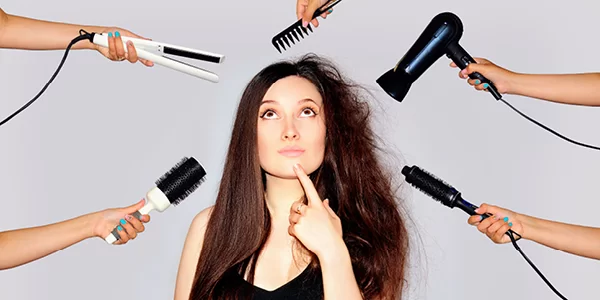
Excessive heat styling can contribute to a dry scalp by stripping moisture from your hair and scalp. Try to let your hair dry naturally and reduce the use of heat styling tools whenever you can.
- Heat Protectant: If you must use heat styling tools, always apply a natural heat protectant to your hair first.
- Low Heat Settings: Use the lowest heat setting necessary to achieve your desired style.
9. Incorporate Essential Oils
Essential oils can be a powerful addition to your natural hair care routine. Certain essential oils have moisturizing, anti-inflammatory, and antimicrobial properties that can benefit a dry scalp.
- Tea Tree Oil: Known for its antifungal and antibacterial properties, tea tree oil can help to soothe an itchy, dry scalp.
- Lavender Oil: Lavender oil has calming and moisturizing properties, making it a great choice for a dry scalp.
- Peppermint Oil: Peppermint oil can stimulate blood flow to the scalp, promoting hair growth and reducing dryness.
- How to Use: Dilute a few drops of essential oil in a carrier oil (such as coconut or jojoba oil) and massage into your scalp. Leave it on for at least 30 minutes before washing out.
More Read

10. Avoid Tight Hairstyles

Tight hairstyles like ponytails, braids, and buns can put stress on your scalp and hair follicles, leading to dryness and even hair loss. Opt for looser styles that allow your scalp to breathe.
- Scrunchies and Soft Ties: Use scrunchies or soft hair ties to minimize tension on your hair and scalp.
- Protective Styles: Consider protective styles like loose braids or twists that don’t pull on your scalp.
Conclusion
A dry scalp can be a challenging condition to manage, but with the right natural hair care routine, you can restore moisture and promote a healthy scalp. By choosing gentle, natural products, incorporating regular scalp massages, staying hydrated, and protecting your hair from environmental stressors, you can effectively combat dryness and achieve a healthier, more balanced scalp. Remember, consistency is key, and it may take some time to see significant improvements. Be patient and give your scalp the care it deserves, and you’ll be rewarded with healthier, more vibrant hair.